
Reports & Analysis
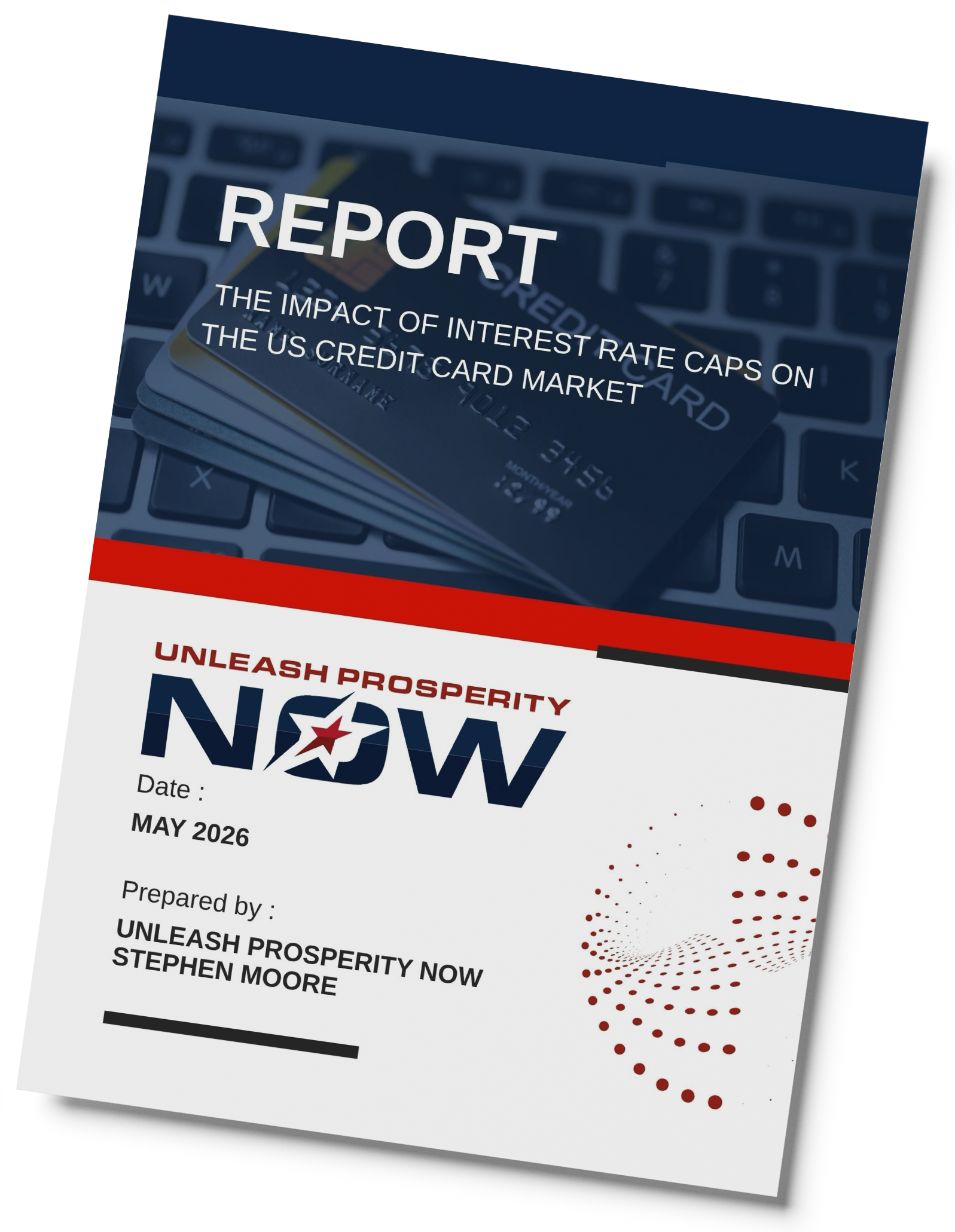
The Impact of Interest Rate Caps on the US Credit Card Market

The Challenge
The "10 Percent Credit Card Interest Rate Cap Act" (S.381) would impose a nationwide 10% ceiling on credit card interest rates — a price control on a market that meets federal antitrust standards for healthy competition, not the monopoly critics describe.
What the Evidence Shows
Across every credit tier — not just subprime — a 10% rate cap would trigger one of the largest contractions in consumer credit access in modern history.
$150M+
Cardholders projected to lose access to credit or have their lines drastically reduced under a 10% cap, based on a 2026 industry survey covering roughly 75% of the U.S. credit card market.
84%
Share of prime borrowers — not just subprime — who would also lose access to a credit card or see their credit line severely cut, according to the same survey.
400%
Average APR on payday loans, the likely fallback once credit cards disappear — more than 18 times today's average credit card rate of 22.3%.
The Real Question
Not whether a rate cap sounds consumer-friendly on its face, but whether stripping away legitimate, regulated credit access pushes the same borrowers toward costlier and less-protected alternatives — payday loans average 400% APR, more than 18 times today's average credit card rate.
Bottom Line
Credit card interest rates track default risk, not market power. A 10% cap doesn't lower the cost of risk — it makes lending to higher-risk borrowers unprofitable, which historically has meant those borrowers lose access to credit altogether rather than getting a better rate.
Sources: "State-By-State Impact of Credit Card Rate Cap," American Bankers Association, January 2026; Board of Governors of the Federal Reserve System, "Report on the Economic Well-Being of U.S. Households in 2024," May 2025.